


One Indian Girl by Chetan Bhagat
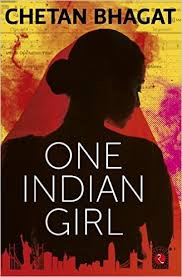
Chetan Bhagat’s “One Indian Girl” is a poignant yet humorous exploration of love, career, and the societal expectations that often dictate the choices of modern Indian women. The novel centres around Radhika Mehta, a successful investment banker who navigates the tumultuous waters of both her professional life and personal relationships. Bhagat manages to weave together a narrative that is both relatable and thought-provoking, providing insights into the struggles faced by many women in contemporary India.
From the outset, Radhika is portrayed as an empowered woman, ambitious and determined to climb the corporate ladder. However, this ambition comes at a price, particularly in a society that still holds traditional views on marriage and gender roles. Radhika’s initial relationship with Debu serves to highlight this conflict; he appears to be supportive of her career aspirations, but ultimately, he succumbs to societal pressures and ends the relationship. This sets the stage for Radhika’s journey, as she grapples with her identity in a world that often expects women to prioritize family over career.
The narrative takes Radhika from the bustling streets of New York to the vibrant cityscape of Hong Kong, where she meets Neel, a charming and suave man who seems to embody the ideal partner. Neel represents the modern, progressive Indian man, yet even this relationship is fraught with complications. Radhika finds herself torn between her desire for love and the expectations imposed on her by her family, particularly her mother, who embodies the archetype of the traditional Punjabi mother eager for her daughter to settle down.
“One Indian Girl” portrays the pressure of arranged marriages in Indian culture in a compelling way. Radhika’s mother inundates her with bio-datas and creates a profile for her on matrimonial websites, underscoring the generational clash between Radhika’s aspirations and her mother’s expectations. The wedding scenes throughout the book serve as a backdrop to this conflict, illustrating the chaos and emotional turmoil that accompany the prospect of marriage.
Bhagat skilfully uses humour to address serious themes, making the narrative both entertaining and enlightening. Radhika’s internal monologue is laced with wit, allowing readers to empathize with her struggles while also providing moments of levity. The juxtaposition of her professional success against her personal dilemmas creates a rich tapestry that reflects the complexities of modern womanhood.
As the story unfolds, Radhika eventually meets Brijesh, the man she chooses from the matrimonial bio-datas. However, rather than being the fairytale ending one might expect, their relationship reveals the harsh realities of compromise and societal expectations. Radhika’s decision to marry Brijesh, despite feeling that he lacks the excitement and passion she craves, serves as a commentary on the sacrifices many women make in the name of family and tradition.
“One Indian Girl” is a captivating read that delves into the heart of a woman’s quest for love and identity in a rapidly changing world. Chetan Bhagat’s narrative is both engaging and insightful, shedding light on the challenges faced by women who dare to defy convention. With its blend of humour, emotion, and social commentary, the book resonates with anyone who has ever felt the weight of societal expectations. Radhika’s journey is a reminder that the pursuit of happiness is often fraught with obstacles, but it is a journey worth taking.

 𝐊𝐚𝐦𝐚𝐥 𝐊𝐚𝐮𝐫'𝐬 𝐈𝐧𝐤𝐞𝐝 𝐌𝐮𝐬𝐢𝐧𝐠𝐬