

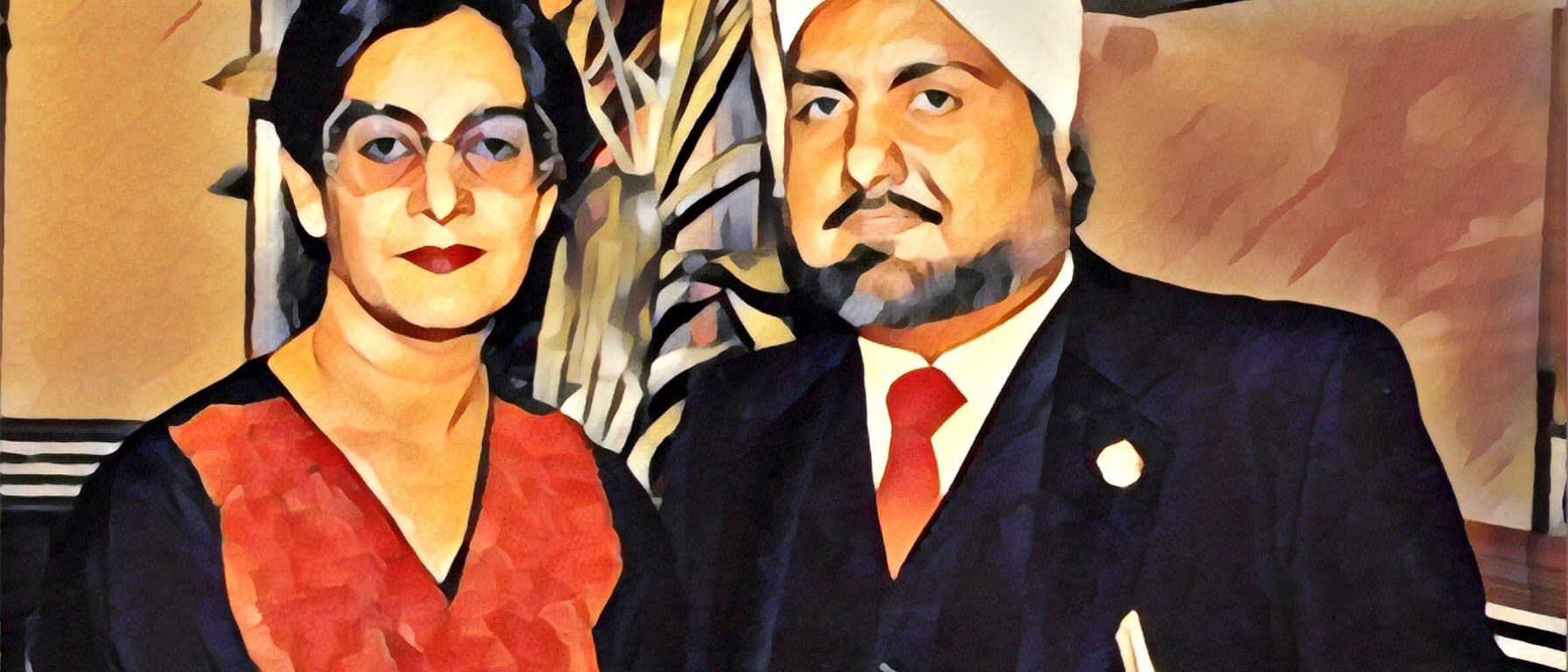
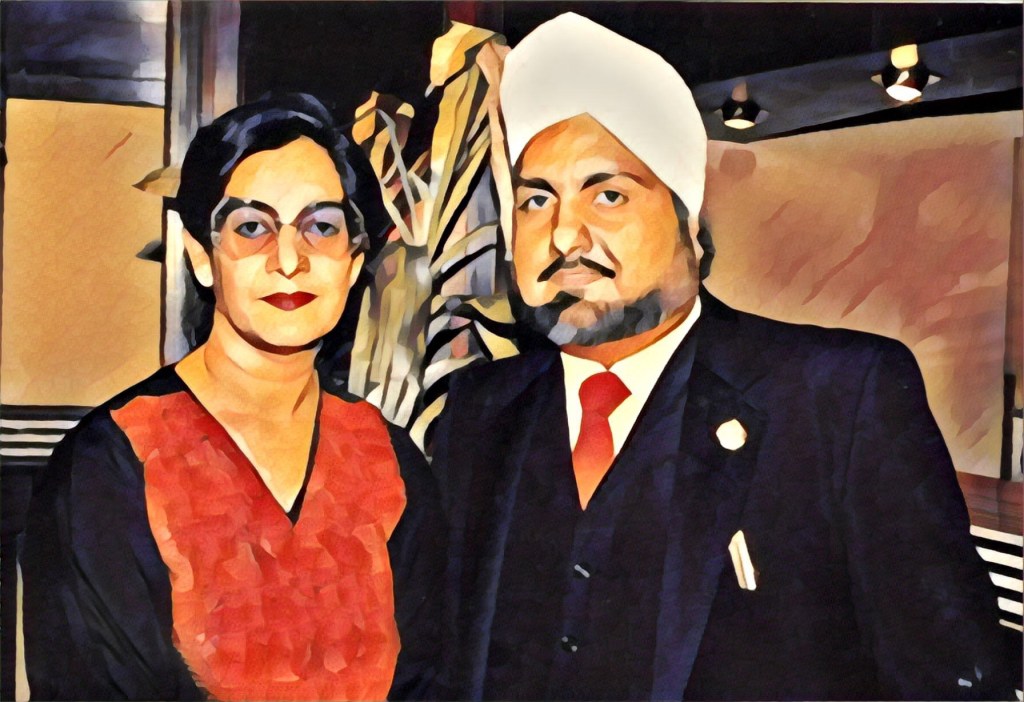
Losing a parent is a profound and complex experience, and it’s difficult to fully grasp without going through it yourself.
Imagine a world where the ground beneath your feet has always been solid, and suddenly, it’s not. Your parents are, for most people, the foundation of their world. They are the people who have known you since before you could speak, who have seen your every triumph and setback.
They are the source of your history, your memories, and often, your identity.
When a parent dies, it’s like a library of your personal history has been permanently closed. All the stories they told, the jokes they made, the wisdom they share. It’s all gone. There’s an ache for the things you’ll never get to ask them, the milestones they’ll never witness, and the simple comfort of their presence.
The feeling of “orphanhood” can be unsettling, even as an adult. You are no longer someone’s child in the same way. The person who was your ultimate safety net is gone, and you’re now fully responsible for navigating the world on your own. It can feel like being set adrift, even if you have a strong support system.
Grief is not a single emotion, but a rollercoaster of them. There’s a deep sadness, of course, but there can also be anger, guilt, and even relief in some cases. You might find yourself crying at unexpected times, triggered by a song, a smell, or a passing memory.
The grief is not something you “get over,” but something you learn to carry with you. It becomes a part of who you are.
💞


 𝐊𝐚𝐦𝐚𝐥 𝐊𝐚𝐮𝐫'𝐬 𝐈𝐧𝐤𝐞𝐝 𝐌𝐮𝐬𝐢𝐧𝐠𝐬